






Explainer
Cervical cancer



What is cervical cancer?
Cervical cancer is the growth of abnormal cells in the lining of the cervix. The cervix is a part of the reproductive system, connecting the uterus/womb to the vagina. The cervix is a canal that allows fluids (like period blood) to flow from the uterus into the vagina.
Most cervical cancers are caused by persistent infection with the human papillomavirus (HPV). For more detailed information on HPV, visit our STI factsheet on HPV + genital warts and our Explainer: What’s the tea with HPV?

How do you get it?
Almost all cervical cancers are caused by the human papillomavirus (HPV) infection that does not clear up. HPV is very common. Most people won’t even know they have it because their immune system fights off and clears the virus. In most people, HPV infections are cleared by the body’s immune system in 1-2 years with no harmful effects or symptoms. In some people, if HPV does not go away (up to 10% of people) it can increase the risk of abnormal cell changes in the cervix. These cell changes can develop into cancer. It develops slowly, taking an average of 10-15 years from an HPV infection to the development of cervical cancer.
Cervical cancer can affect any person with a cervix, who has ever been sexually active or had any type of sexual contact in their life.
What are the symptoms?
- unexplained vaginal bleeding for example bleeding after sex or bleeding at any time after menopause
- heavier or longer periods than usual
- unexplained persistent vaginal discharge
- unexplained pain during sex
- unexplained pelvic pain
If you experience any symptoms such as abnormal bleeding, pain or discharge, please speak to your doctor as soon as possible – it does not matter when you are next due for a test.
How is it prevented?
HPV Vaccination
The latest Gardasil vaccine protects you against some types of HPV that can cause the vast majority of HPV cancers including vulva, vaginal, anal as well as cervical cancer. The HPV vaccine does not protect against every type of HPV that can cause cervical cancer. This is why it’s important to do screening, even if you’ve had the HPV vaccine.
Cervical Screening
Cervical screening prevents cervical cancer by looking for HPV and detecting cell changes to the cervix before they become cancerous. Finding signs early allows for intervention before cancer can develop.
Screening can identify high risk HPV infections and any abnormalities which can be monitored, removed or treated before they turn into cancer.
Regular cervical screening every 5 years is recommended for all women and people with a cervix who have ever had any kind of sexual activity or sexual contact from the age of 25-74 years old.
Barriers
You can also use barriers like condoms, dental dams and gloves to reduce the risk of HPV, but since transmission can occur through any intimate skin-to-skin contact, barriers are never 100% effective.
Smoking Cessation
Cervical cancer is one of the 16 cancers linked to smoking. Smoking and passive-smoking can make you more vulnerable to cervical cancer because the toxic chemicals in your bloodstream can damage organs that help fight off infections.
A longer HPV infection period and a weakened immune system mean any cervical cell changes are more likely to become cancerous. Anyone with a cervix who smokes has double the risk of developing cervical cancer, compared to non-smokers. Quit smoking to reduce your risk of cervical cancer.
How do you screen for cervical cancer?
The test used in Australia to look for warning signs you could develop cervical cancer is the Cervical Screening Test (CST). It replaced the Pap test (or Pap smear) in 2017.
The CST detects HPV – the most common cause of cervical cancer – so it can be monitored or investigated further before it has the chance to develop into cancer.
Under the National Cervical Screening Program, people without any symptoms of cervical cancer are eligible for a free CST every 5 years. The CST is a separate test from a STI screen.
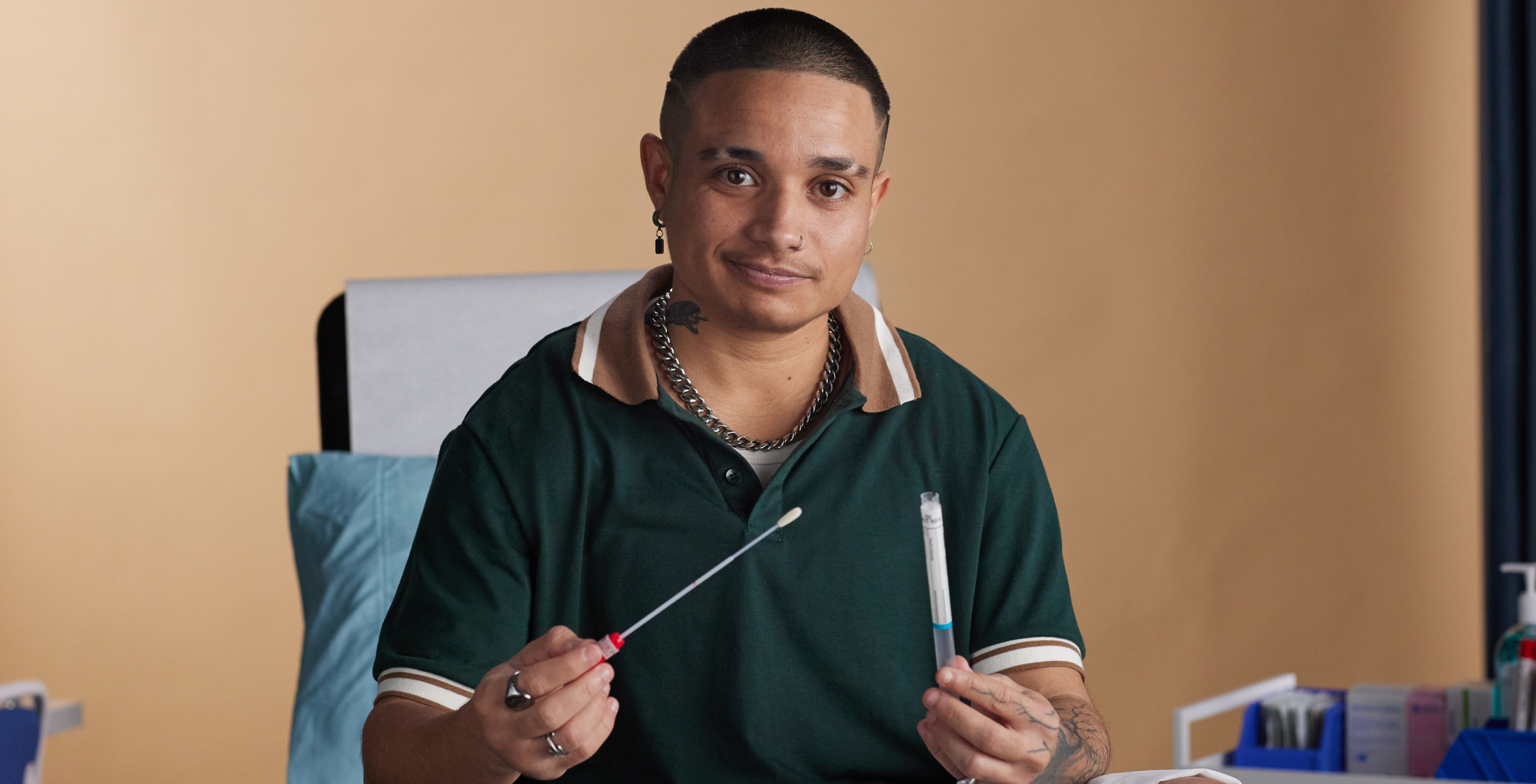
Your healthcare provider can do the CST for you, or you can choose to do it yourself at the clinic. Find out more about self-collecting a CST in our LGBTQ guide here.
Who should do cervical screening?
Cervical screening is recommended every 5 years for anyone with a cervix aged 25 to 74 who has ever had any kind of sexual contact (whether penetrative or non-penetrative). This includes:
- If you’ve had the HPV vaccination or not
- If you’ve been through menopause
- If you are pregnant or have had a baby
It does not matter if you’re gay, lesbian, bisexual, trans or queer – if you have a cervix and you’ve ever been sexually active, you need to do routine CSTs. It’s never too late to start screening!
Over 75? Cervical cancer is rare after 75, but you can still ask to have a subsidised CST – just talk to your healthcare provider.
If you have had a full or partial hysterectomy, please check with your healthcare provider about continuing screening.
Screening for trans and gender diverse people
Trans men who have a cervix are equally at risk of cervical cancer and need to do cervical screening. Being on testosterone does not reduce your risk of developing cervical cancer and it is important that you still do routine CSTs to protect yourself from cervical cancer.
Trans women with a neo-vagina cannot get cervical cancer but can be at risk of HPV-related vaginal cancer. Speak to your healthcare provider about other screening options.
For more information about cervical screening visit Cervical Cancer Screening, Self Collection & HPV | CAN WE
Keep reading


Or explore more on

We’ve got you covered
Your free Play Pack includes everything for safer sex, delivered discreetly because you deserve to focus on the fun stuff.